Possibilities
A gift finder built around real people
Help gift buyers reach a short, explained selection by recipient, occasion and practical constraints.
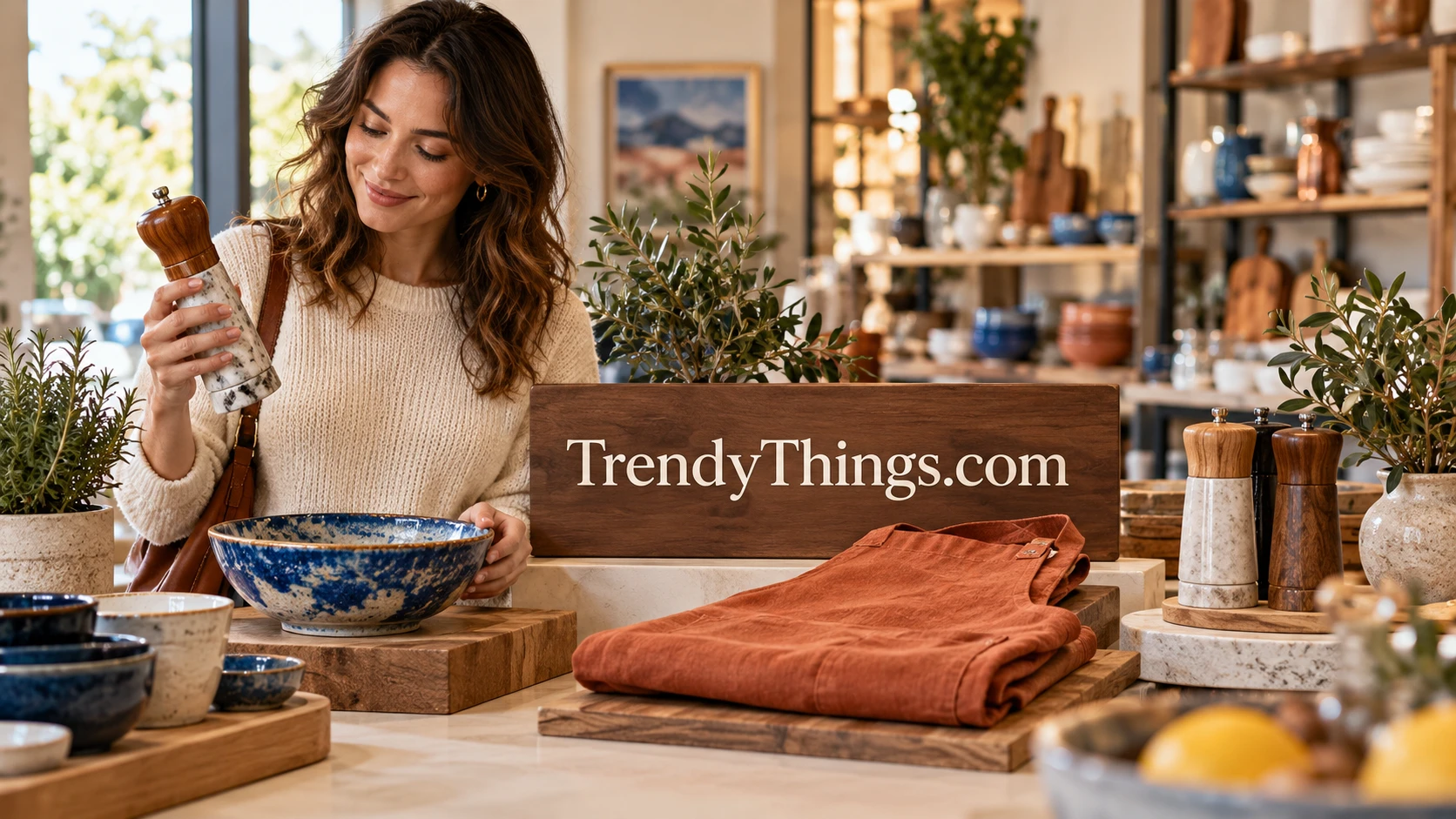
A gift buyer often knows a person better than a product category. They might know that a friend enjoys cooking, has very little storage space and dislikes delicate objects. A conventional shop may still ask them to choose between departments and sort a long list by price. A recipient-led gift finder could start with the information the buyer already has and translate it into a manageable shortlist.
For a future TrendyThings.com business, this could be an editorial discovery service before it becomes a store. The first version might recommend a small number of products from other retailers, with clear explanations and accurately disclosed commercial relationships. This is a possible business direction, not a service currently provided here. Its value would depend on the quality of the questions and the honesty of the recommendations.
Begin with one gifting situation
Choose a situation that has recognizable constraints. A thank-you gift for a host is different from a shared wedding present or a birthday purchase for a close friend. For the host example, the buyer may want something easy to carry, appropriate for a home they have not seen and within a firm budget. That is enough context to build a useful first decision flow without asking for a detailed personal profile.
Interview people who recently bought that kind of gift. Ask what they knew about the recipient, what they feared getting wrong and how long they spent choosing. Listen for practical barriers. A product might have looked suitable until the delivery date appeared. An attractive food gift might have raised an allergy question. Those are better starting points for the finder than vague labels such as tasteful, modern or unique.
Ask fewer, better questions
The initial flow might ask for the occasion, a budget range and one relevant constraint. Make every question justify its place. If an answer does not change the resulting suggestions, remove the question or explain why it is being collected. Offer a route for people who do not know the answer. Gift buyers often lack exact dimensions, clothing sizes or a complete picture of the recipient's preferences.
Use plain labels and instructions. W3C's form-label guidance covers making controls identifiable for people using assistive technologies. In practice, a budget question should say what currency it uses and whether the range includes delivery. A group of choices should have a clear question above it. Friendly language can coexist with enough precision to prevent an expensive misunderstanding.
Explain the shortlist
A useful result gives reasons rather than a large wall of products. Show perhaps three contrasting options: a practical object, a consumable and an experience or flexible alternative where appropriate. Explain why each option matches the answers and where it might be unsuitable. A compact serving bowl may suit a host who enjoys informal dinners, while a bulky appliance could be a poor choice for someone with limited space.
Maintain a product record behind each recommendation. Record the source retailer, price-check date, materials, relevant restrictions, delivery information and the basis for inclusion. Prices and availability can change, so a publisher needs a review schedule and a way to remove stale recommendations. Do not claim that a gift will arrive by a particular date unless the relevant retailer's current offer supports it for that customer's location.
Keep commercial incentives visible
If the service later earns affiliate commission, identify that relationship clearly near the recommendations. If a maker pays for placement, distinguish that placement from the editorial selection. The finder should not quietly describe a sponsored product as the best match because a fee changed the order. Establish a written policy early, including what happens when the most suitable recommendation produces no revenue for the publisher.
A service operating its own inventory could instead group products into curated collections. Shopify documents product collections as one way to organize an assortment. The buyer journey still needs clear facts and sensible choices. A collection page alone does not solve the uncertainty that made the visitor seek help in the first place.
Test the conversation
Create a simple prototype for one occasion and ask a small group of relevant buyers to use it while describing their thoughts. Watch where they hesitate, change an answer or leave the flow to search elsewhere. Ask them to explain the difference between the final options. If they cannot, the shortlist may be decorative rather than useful. Avoid collecting detailed information about the recipient when broad preferences are enough.
The next version should respond to observed confusion, not simply add more products. A shorter route with dependable information could be more valuable than a sophisticated recommendation engine. TrendyThings.com could provide a friendly address for that service as it expands into more occasions. The first milestone is a single useful conversation: a buyer begins uncertain, understands the tradeoffs and leaves with a small selection they can explain.
Meet buyers at one occasion
The first distribution test could pair a specific host-gift guide with a short decision flow. Publish useful answers to occasion-specific questions, then share the guide through a relevant cooking or dinner-hosting community where its rules permit it. A consenting food creator could also invite their own audience to try it. Record which route brought each participant and whether their actual gifting situation matches the brief; traffic volume alone does not establish useful recommendations.
Make room for your next idea.
Explore the opportunity to acquire TrendyThings.com.